


By Rob Alway
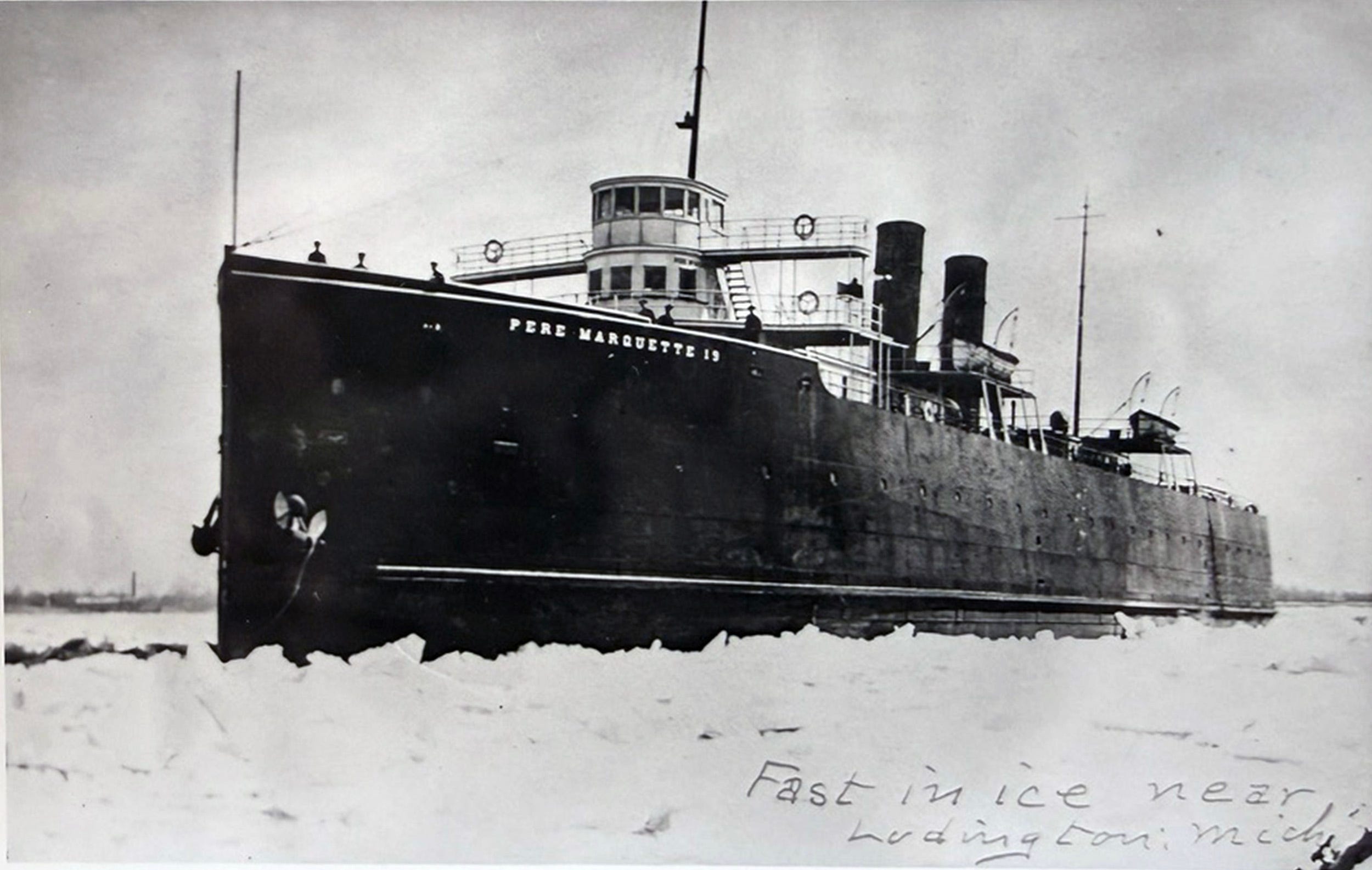
The Pere Marquette Railway added two nearly identical carferries in 1903 as freight traffic continued to grow: Pere Marquette 19 and Pere Marquette 20. American Shipbuilding Co. built both at Cleveland at a combined cost of roughly $750,000.
The vessels followed the general size and machinery arrangement of No. 17. Each was about 350 feet long and designed primarily to move railroad cars rather than provide elaborate passenger service. No. 20, for example, carried only a handful of passengers under her normal license, using limited accommodations intended largely for railroad officials or invited guests.
No. 19 arrived at Ludington in November 1903 under Capt. John J. Doyle. No. 20 followed in December with Capt. John C. Ackerman in command. The ships strengthened service to Kewaunee and helped give the Pere Marquette one of the most extensive railroad carferry operations on Lake Michigan.
By 1904, the Ludington fleet included five steel carferries as well as the wooden No. 16. Contemporary accounts valued the steel fleet at about $2 million and reported more than 200 men employed aboard the vessels.
No. 19 experienced a costly grounding almost immediately. On Feb. 6, 1904, she went aground near Fox Point during fog. No. 20 helped unload her railroad cars, and marine superintendent William L. Mercereau supervised salvage operations. The damaged vessel spent roughly two weeks in drydock, with repairs estimated at $50,000 or more.
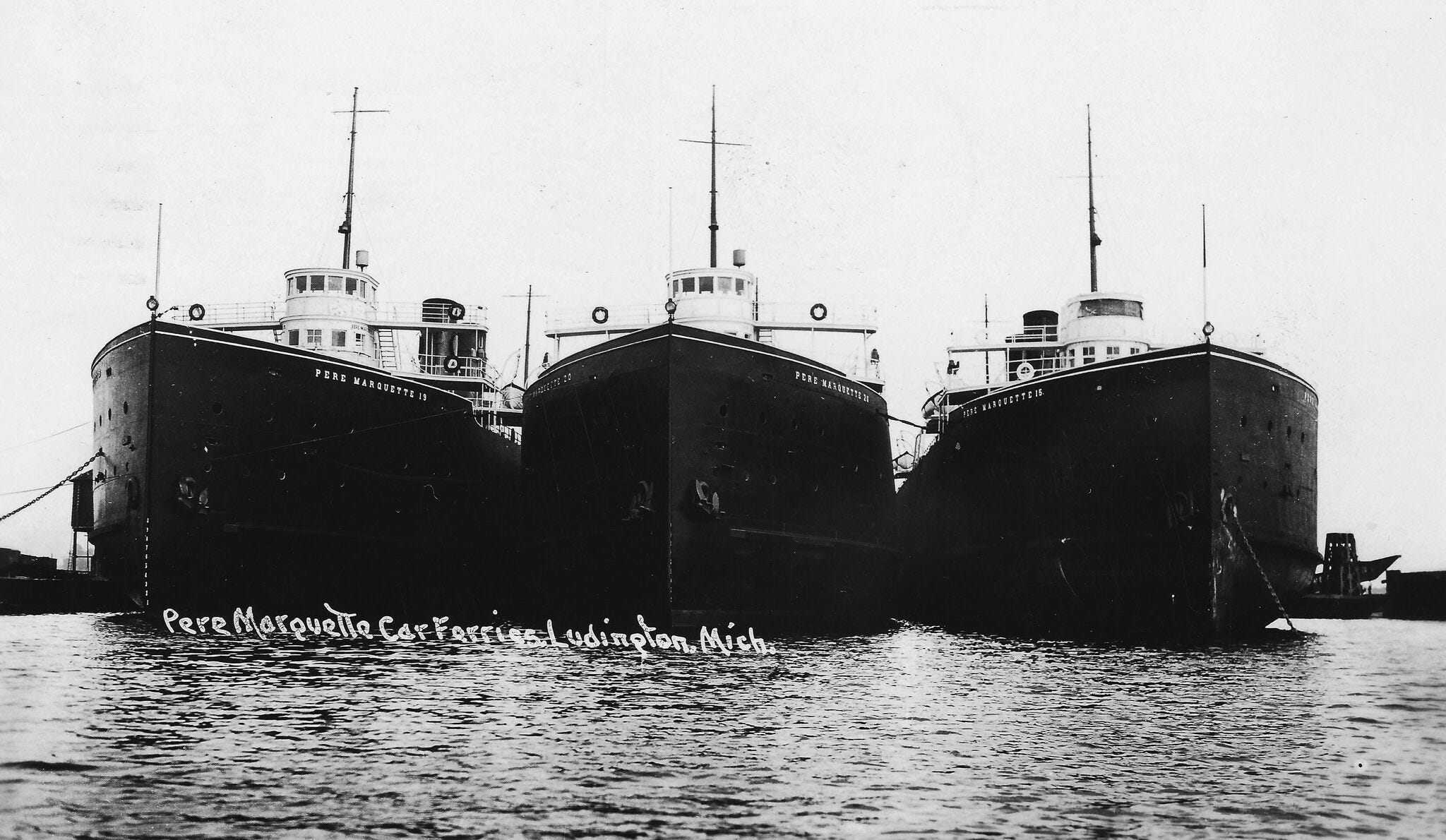
No. 20 also demonstrated the severity of Lake Michigan service. One account described the ship fighting through a northeast gale with a full load as snow and heavy water swept over the stern. Water temporarily extinguished fires beneath several boilers, yet the vessel survived and continued operating.
Both ships eventually outlived their usefulness as railroad carferries. The State of Michigan purchased No. 20 in 1938 and rebuilt her as City of Munising for automobile-ferry service at the Straits of Mackinac. She later became a barge in the Washington Island trade.
No. 19 was sold in 1940 to John G. Roen and converted into the pulpwood barge Hilda. Her later career included work associated with Ludington harbor and Great Lakes construction.
Nos. 19 and 20 were not glamorous ships, but they reflected the growing maturity of the carferry system. Their job was to move railroad freight reliably, trip after trip, through every season of the year.
Coming in Part 12: Manistique - a railroad carferry that became part of the Ludington operation for a time.