


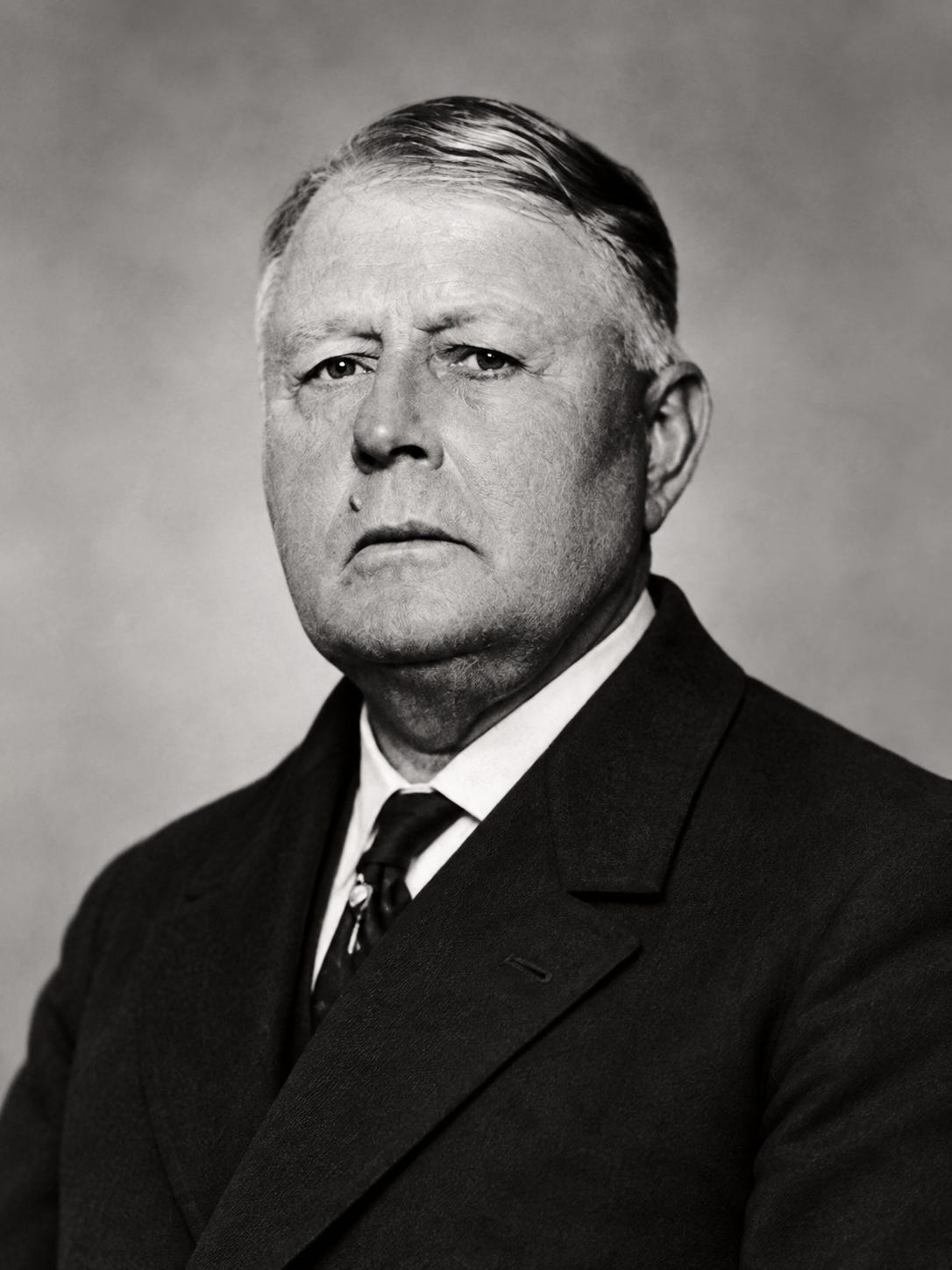
The Captains, Engineers and Others Who Powered a Great Lakes Tradition
By Rob Alway
Editor’s Note: Masters of the Ludington Steamers: The Captains, Engineers and Others Who Powered a Great Lakes Tradition is an ongoing historical research project exploring the lives and careers of the men who helped establish Ludington, Michigan, as one of the Great Lakes’ most important maritime ports. Through biographical accounts of captains, chief engineers and other mariners, the series examines the people behind the vessels that connected Michigan and Wisconsin, transported passengers and freight, and helped shape the region’s maritime heritage. Drawing from historic newspapers, archival records, photographs and other primary sources, these stories seek to preserve the personal histories of individuals whose contributions to Great Lakes shipping have often been overshadowed by the ships they served.
The stories posted in this series are abridged versions of what will eventually be a book documenting the mariners who helped build and sustain Ludington’s cross-lake shipping tradition.
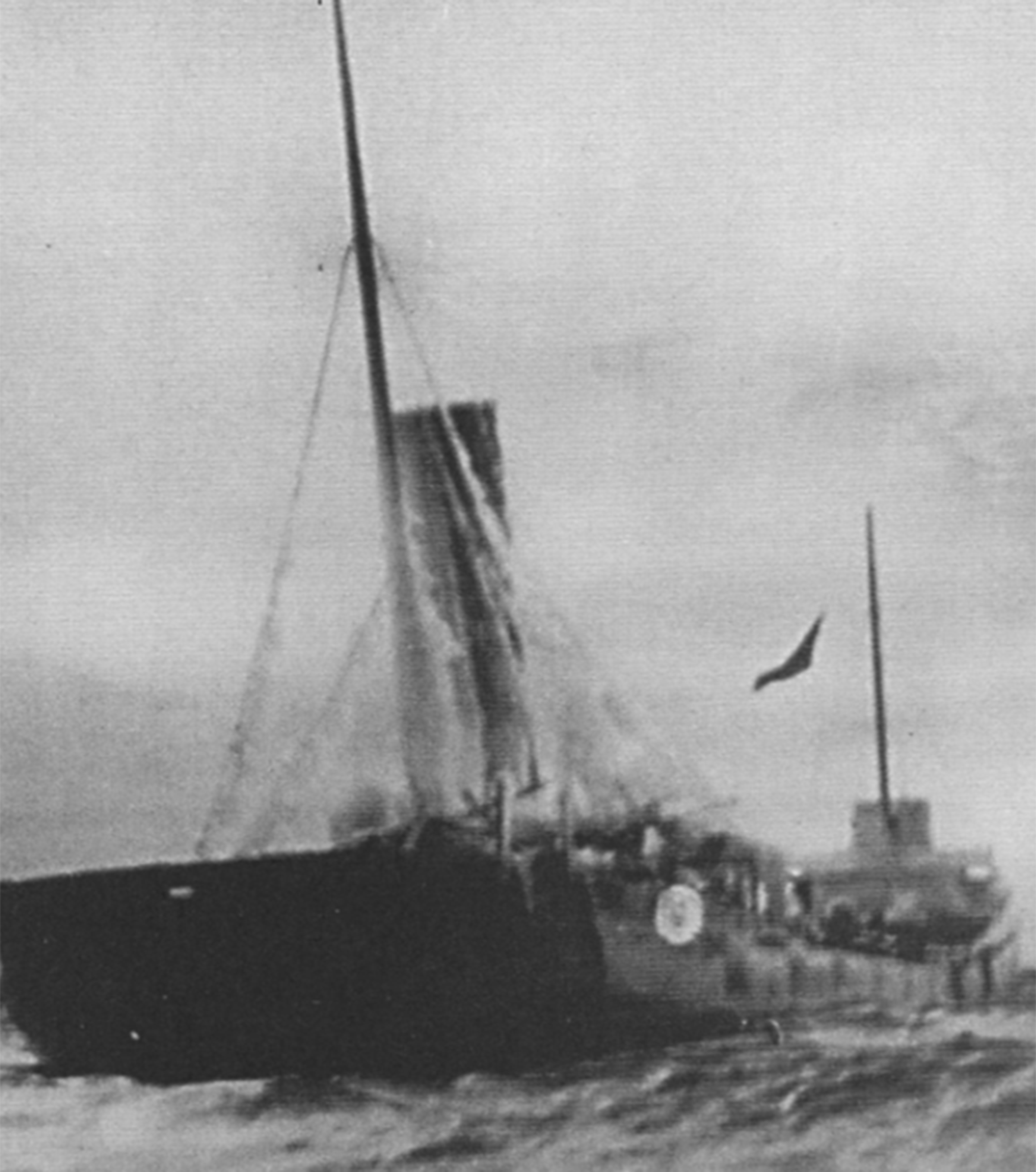
Shortly after midnight on Nov. 8, 1913, an enormous wave crashed into the freighter L.C. Waldo on Lake Superior, tearing away its pilothouse and destroying much of its steering equipment. Capt. John Wesley Duddleson and his wheelsman narrowly escaped being swept into the lake.
The 67-year-old captain had spent more than four decades navigating the Great Lakes. Now, in blinding snow and hurricane-force winds, he faced a challenge beyond anything he had experienced.
Working with an auxiliary steering wheel, a small compass and the light of a hurricane lantern, Duddleson tried to guide the crippled ore carrier toward shelter near the tip of Michigan’s Keweenaw Peninsula. For hours, the crew struggled against towering seas. The ship nearly made it through the narrow passage near Gull Rock, but struck a reef and lodged on the rocks.
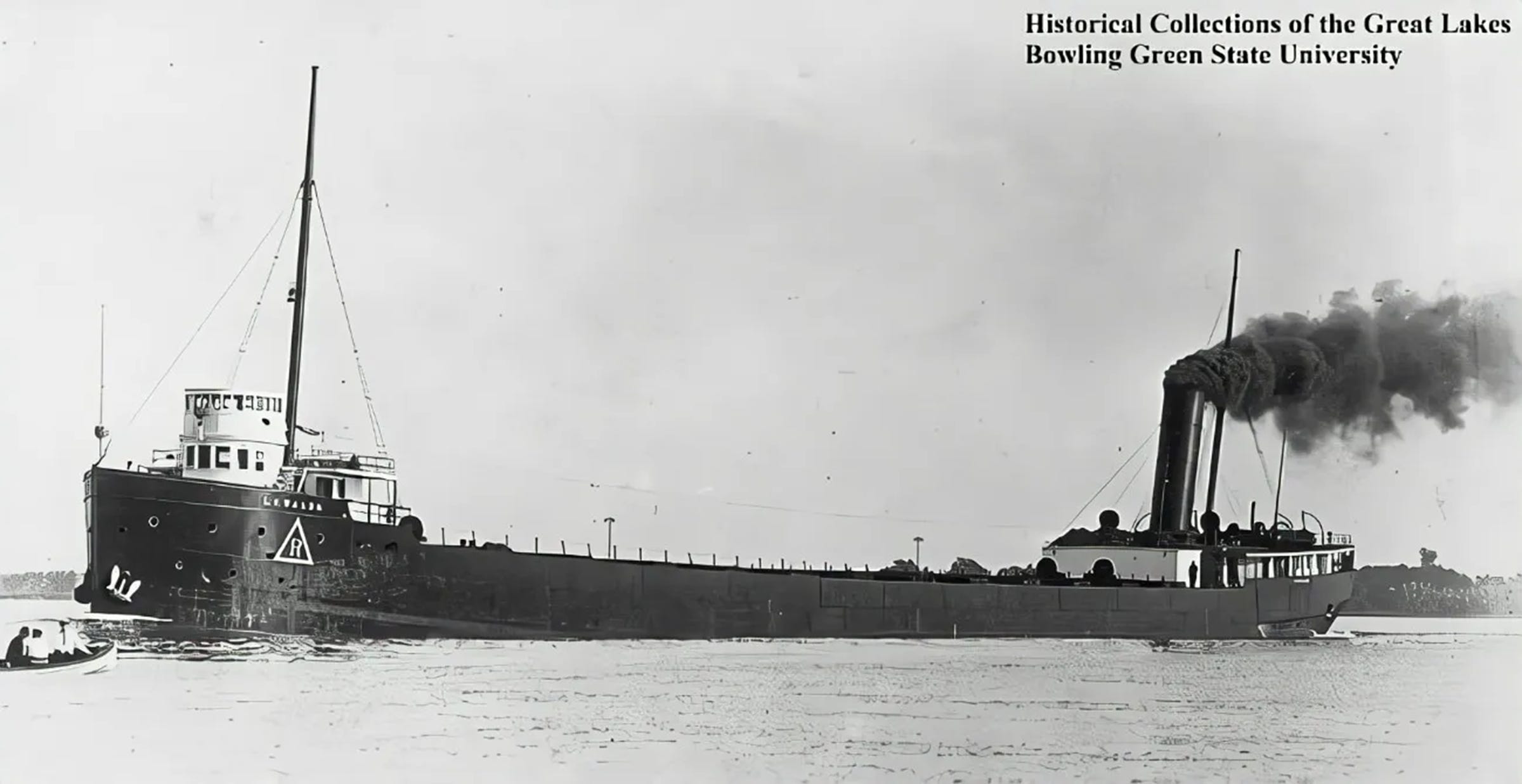
The Waldo broke in two. For nearly four days, 22 crew members and two women endured bitter cold, little food and the continuing danger of the wreck being swept away. All 24 survived.
William Ratigan recounted the ordeal in his book “Great Lakes Shipwrecks & Survivals,” drawing on contemporary accounts of the storm. The rescue became one of the most remarkable survival stories of the Great Lakes Storm of 1913, which claimed more than 250 lives.
For Duddleson, however, the Waldo was only one part of a maritime career that helped establish Ludington’s cross-lake steamship fleet.
From Ohio farm to Great Lakes captain
John Wesley Duddleson was born Aug. 12, 1846, in Upper Sandusky, Ohio, to George W.B. and Lucretia Curtis Duddleson. His family later moved to a farm near Indian Mill. Rather than remain in agriculture, he left home as a teenager to apprentice as a machinist.
The Civil War interrupted that training. On Dec. 22, 1863, at age 17, he enlisted in Company F of the 9th Ohio Cavalry. He served in campaigns in Alabama and Georgia, including Gen. William T. Sherman’s March to the Sea, and rose to corporal before his discharge in 1865.
Two of his uncles worked as mates on the Great Lakes. In the summer of 1867, one of them, Thomas Jefferson Duddleson, helped him obtain a berth aboard the scow Ino. He remained aboard until 1869, learning the work of a sailor from the deck upward.
His next assignment was as wheelsman aboard the steamer Jay Cooke, under Capt. John Edwards. By 1870 he was mate of the Mary Pringle. Other assignments followed aboard the Michigan, Young America and Marine City.
In 1874, at age 28, Duddleson received his first command, the wooden propeller Buckeye. Over the following years he commanded the Maine, Oswegatchie and Nashua.
J.B. Mansfield’s 1899 “History of the Great Lakes” documented Duddleson’s advancement through those early positions and the increasingly important vessels placed under his command.
In 1878 he married Emily Loretta “Lettie” Smith of Ludington. They had two sons, including John Marshall Duddleson, who later followed his father into Great Lakes shipping.
In 1879 he became master of the side-wheel passenger steamer Grace McMillan, one of naval architect Frank E. Kirby’s early designs. Two years later he took command of the newly built Thomas W. Palmer. When he left that ship for the Flint & Pere Marquette Railroad in 1882, his officers and crew presented him with an engraved silver water pitcher in recognition of his leadership.
Building Ludington’s Black Boat fleet
The Flint & Pere Marquette Railroad reached Ludington in December 1874 and began cross-lake freight service to Sheboygan, Wisconsin, in May 1875. Initially, the railroad relied on leased vessels and then the Goodrich Transportation Co. to move freight across Lake Michigan.
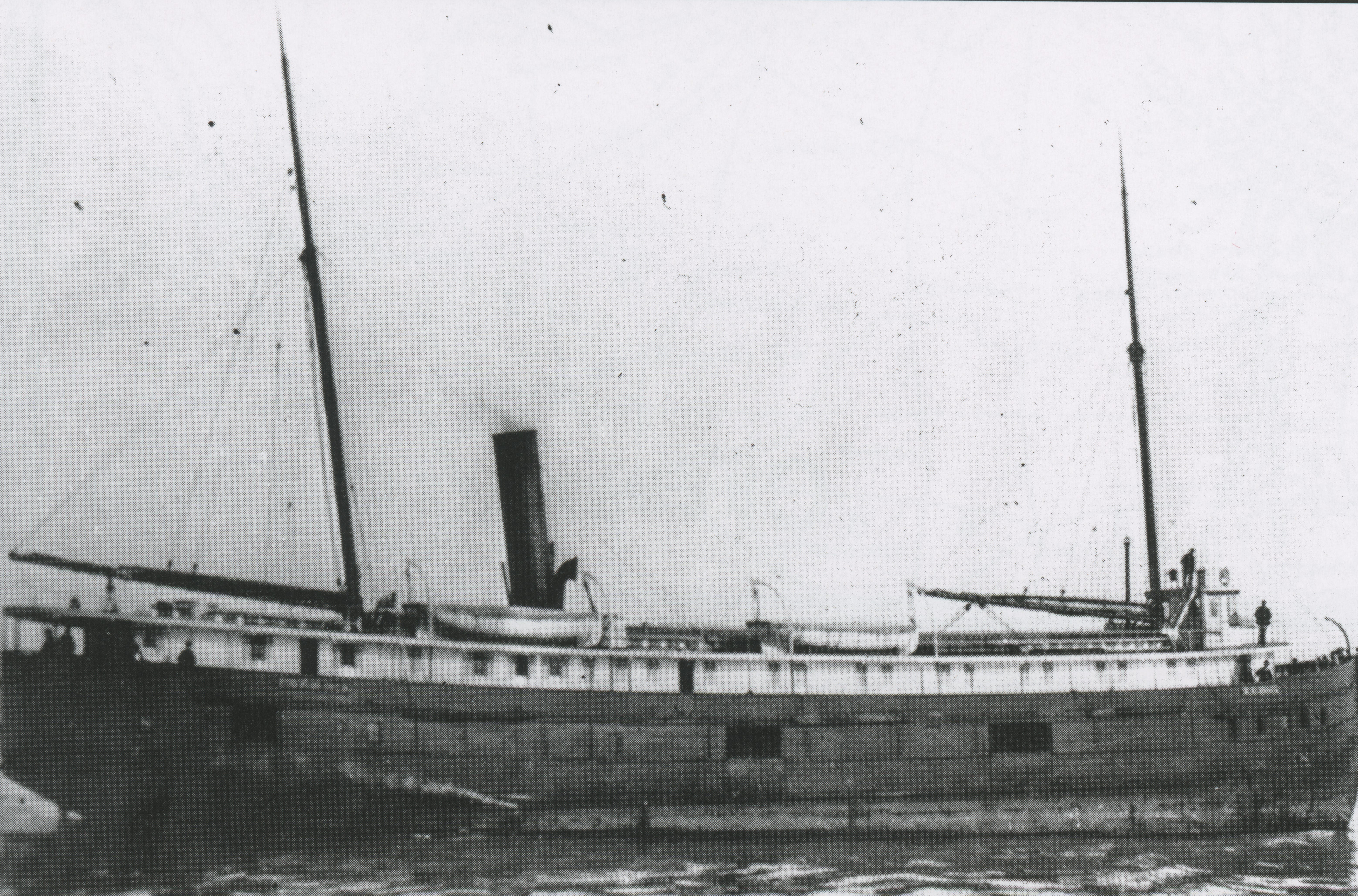
By 1882, increasing traffic persuaded the railroad to establish its own marine fleet. The company ordered two wooden propellers designed by Kirby and built by Detroit Dry Dock Co.: Flint & Pere Marquette No. 1 and Flint & Pere Marquette No. 2. Each measured a little more than 144 feet long and could accommodate 25 passengers in addition to package freight.
The black-painted vessels became known around Ludington as the “Black Boats.” They were the foundation of a railroad marine service that eventually grew into one of Lake Michigan’s principal cross-lake operations.
Duddleson assumed command of F&PM No. 2 in September 1882. His responsibilities soon extended beyond running a single vessel. A 1904 account in the Ludington Record Appeal described him as the practical leader of the railroad’s early marine operations, even though overall administrative responsibility rested with a company official in Flint.
As business expanded, the railroad again turned to Kirby for larger steamers. Duddleson supervised construction of F&PM No. 3, built at Gibraltar, Michigan, under a Detroit Dry Dock contract and launched in 1887. He became the vessel’s first captain, putting her into service on the Lake Michigan trade.
In 1888, the railroad completed F&PM No. 4 at Detroit Dry Dock’s Wyandotte yard. Duddleson was selected as its first master as well. Few captains of that era had such a direct role in supervising new construction, assembling crews and establishing operations for successive vessels.
By then, he had become closely associated with Kirby’s early steamship designs. He also had acquired the experience and connections to move beyond the role of an employee and become a shipowner.
A Ludington captain becomes a shipowner
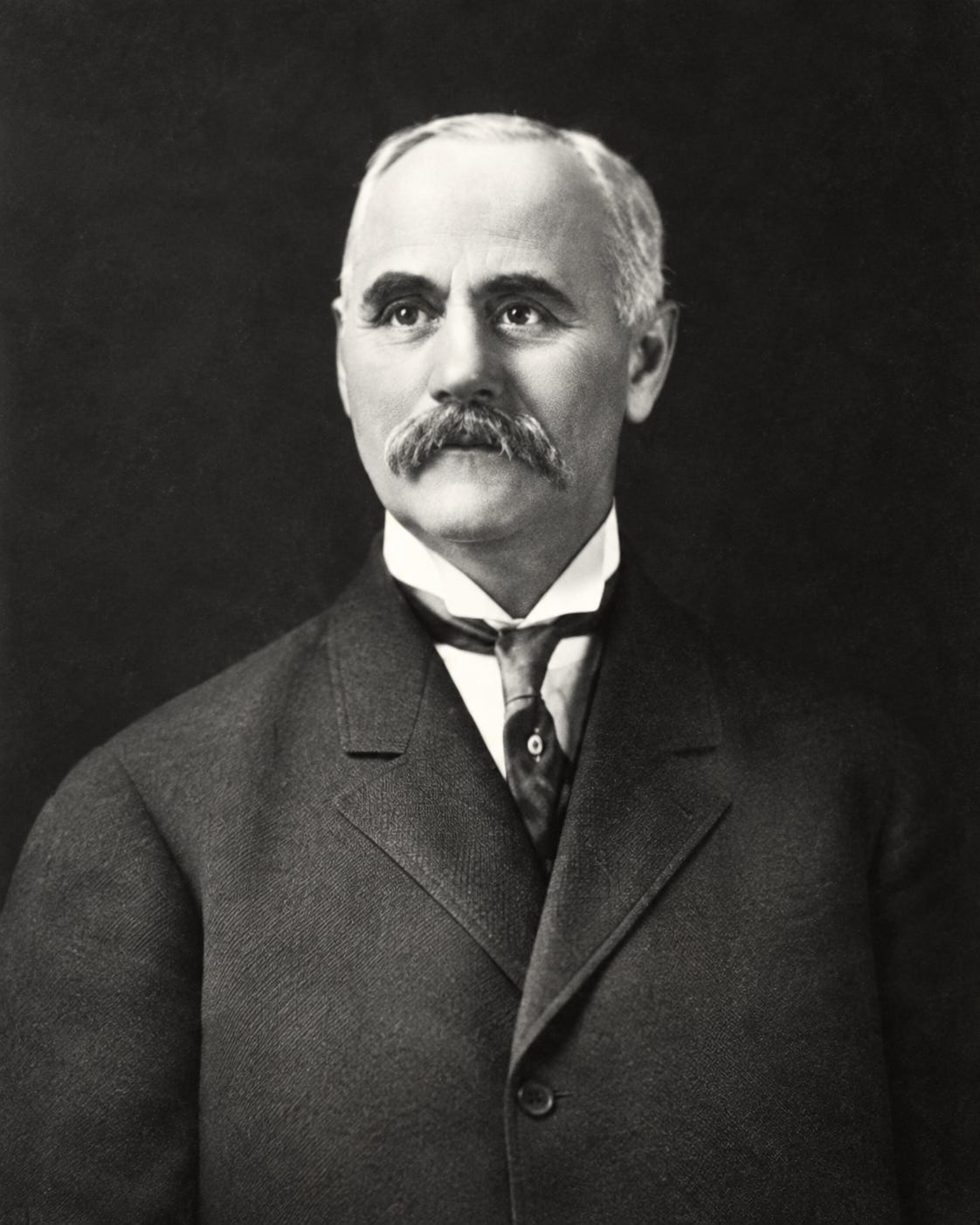
In the winter of 1888-89, Duddleson joined Ludington businessmen George W. Roby and Lewis C. Waldo in a shipping venture that became the Roby Transportation Co. Roby had made his fortune in the lumber trade, while Waldo, Roby’s son-in-law, had established a career in banking and civic affairs.
Their first vessel, the wooden bulk freighter George W. Roby, was built in 1889 by F.W. Wheeler & Co. at West Bay City, Michigan. Duddleson supervised construction and became its first master. On May 14, 1889, he brought the new vessel into Milwaukee with a cargo of coal for the city’s gas company.
Reporting on the arrival the following day, the Milwaukee Sentinel described Duddleson as a former commodore of the Flint & Pere Marquette fleet and noted that he held a $25,000 ownership interest in the Roby.
The partners subsequently commissioned the L.C. Waldo from the same shipyard. Launched in 1896, the steel bulk freighter originally measured about 387 feet between perpendiculars and was built to carry commodities such as iron ore and coal. Duddleson again supervised construction and took command. The vessel was lengthened to about 451 feet in 1905.
Contemporary marine registers and International Ship Masters’ Association directories document his long association with the Waldo, which he commanded through the 1913 navigation season. The ship became the vessel most closely identified with his career.
The White Hurricane
On Nov. 7, 1913, the L.C. Waldo departed Two Harbors, Minnesota, with iron ore bound for Cleveland. A powerful storm was strengthening across the lakes. As the freighter approached the Keweenaw Peninsula, violent seas and freezing spray encased her decks in ice.
Then came the wave that destroyed the pilothouse.
Unable to steer normally, Duddleson and his crew rigged an emergency arrangement and attempted to reach the lee of the peninsula. At approximately 4 a.m. Nov. 8, the Waldo grounded on Gull Rock. The ship eventually split, cutting off access to much of the food, warm clothing and equipment.
The survivors sheltered in the remaining portion of the vessel as waves continued breaking over the wreck. The crew gathered wood from the ship to keep a makeshift fire burning. As provisions dwindled, Duddleson ordered that the remaining food be saved for the two women aboard.
The U.S. Life-Saving Service mobilized from Eagle Harbor and Portage Lake. An initial rescue attempt was turned back by heavy ice accumulating on a small boat. On Nov. 11, surfmen finally reached the wreck, chopped through the ice and removed everyone aboard.
According to the U.S. Coast Guard’s historical account of the rescue, the 24 survivors had been trapped for approximately 90 hours. The life-saving crews later received gold medals for their extraordinary efforts.
Although declared a constructive total loss, the Waldo was salvaged and rebuilt the following year. Her captain had survived the worst test of a career already marked by decades of service.
A lasting influence
Duddleson’s influence continued beyond the ships he commanded. He advised younger mariners preparing for their master’s licenses, including his son John Marshall Duddleson, who also became a Great Lakes captain. After the Waldo disaster, he remained connected to the maritime profession; contemporary newspaper accounts also described later service aboard the M.A. Bradley.
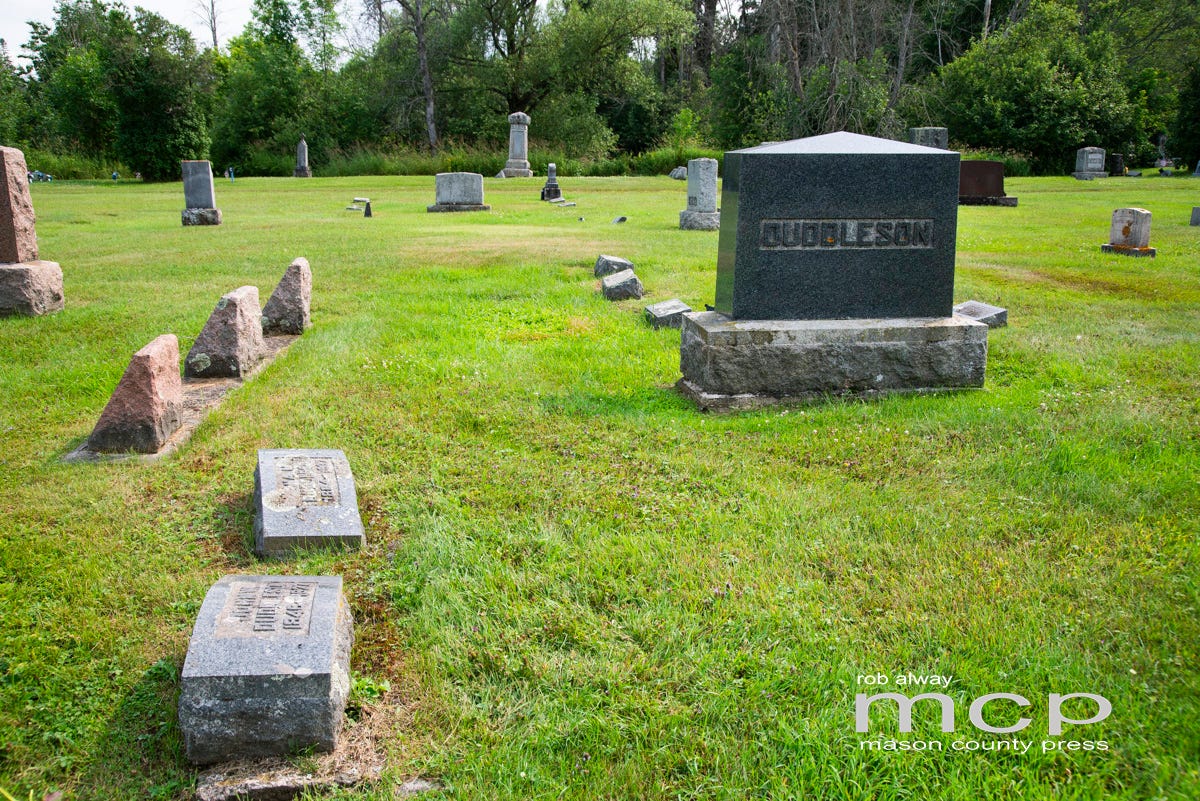
Duddleson died April 23, 1927, in Sault Ste. Marie, Michigan. He was buried in Riverside Cemetery overlooking the St. Marys River. Obituaries in the Sault Ste. Marie Evening News and Saginaw News remembered him as a widely known and respected Great Lakes shipmaster.
His place in Ludington’s maritime history rests on more than surviving the White Hurricane. From the earliest Black Boats to the steel freighters of the twentieth century, John Wesley Duddleson helped shape the vessels, crews and traditions that carried Great Lakes commerce forward.
Historical sources for this article include J.B. Mansfield’s “History of the Great Lakes” (1899); William Ratigan’s “Great Lakes Shipwrecks & Survivals” (1977); James Cabot’s “Black Boat No. 4,” published by the Wisconsin Marine Historical Society; Sterling Berry’s Great Lakes Vessel History; historical vessel registers and International Ship Masters’ Association directories; the U.S. Coast Guard’s historical account of the 1913 rescue of the L.C. Waldo; the National Weather Service’s history of the Great Lakes Storm of 1913; and contemporary reporting published in the Milwaukee Sentinel, Ludington Record Appeal, Cleveland Leader, Sault Ste. Marie Evening News and Saginaw News.
This article is adapted from Rob Alway’s research for “Masters of the Ludington Steamers: The Captains, Engineers and Others Who Powered a Great Lakes Tradition.”
Help support this Substack page and check out our merchandise store.
This story is copyrighted 2026 by Sable Points Media.