


By Rob Alway
This is part 3 of a three-part Great Lakes Boat Blog series examining Kewaunee, Wisconsin, its railroad carferry port, historic lighthouse and World War II-era tugboat.
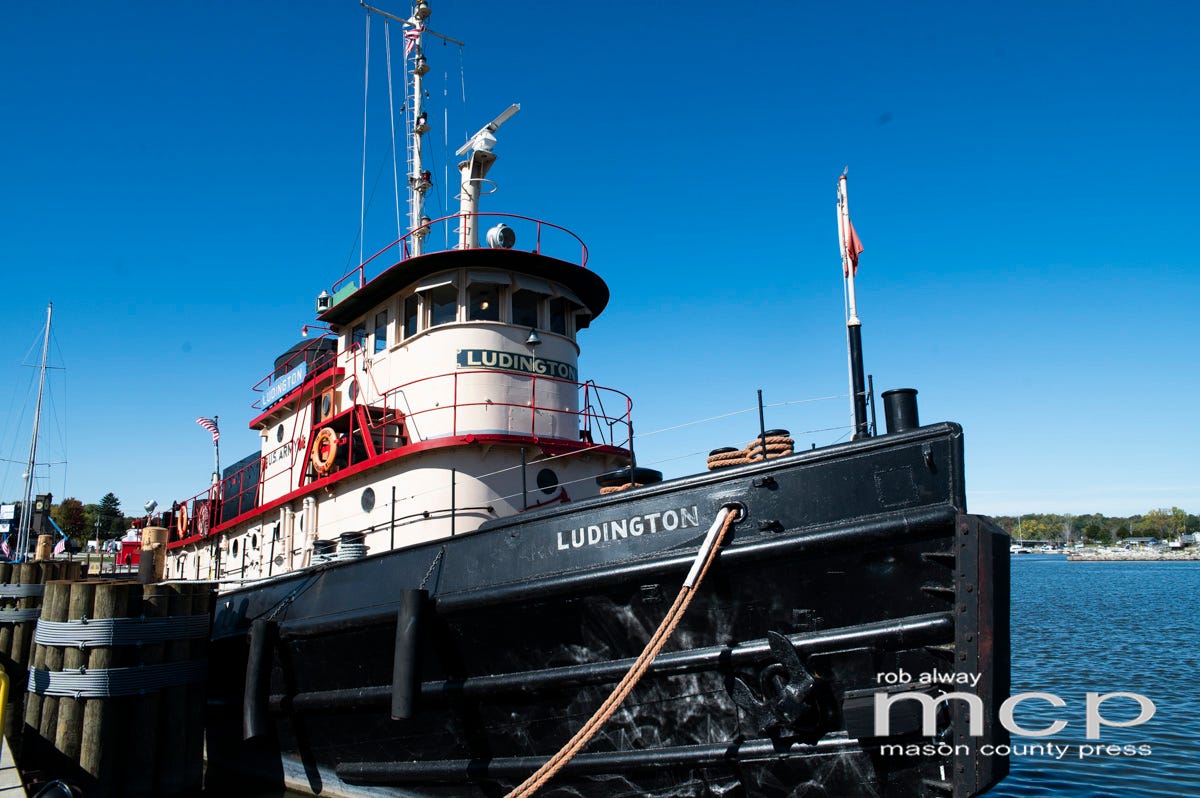
KEWAUNEE, Wisconsin — The historic tugboat Ludington, moored along the Kewaunee waterfront, has a history that extends far beyond Lake Michigan. Built for the U.S. Army during World War II, she participated in the Allied invasion of Normandy before beginning a second career maintaining Great Lakes harbors.
The 115-foot steel tug is preserved in Kewaunee, Wisconsin, as a museum vessel. Her story links wartime service in Europe with decades of civilian infrastructure work on the Great Lakes.
Built for war
The tug was constructed in 1943 at Jacobson Shipyard in Oyster Bay, New York. She was the fourth of eight oceangoing tugs built for the U.S. Army during World War II and was originally named Major Wilbur F. Browder. The Army designated her LT-4.
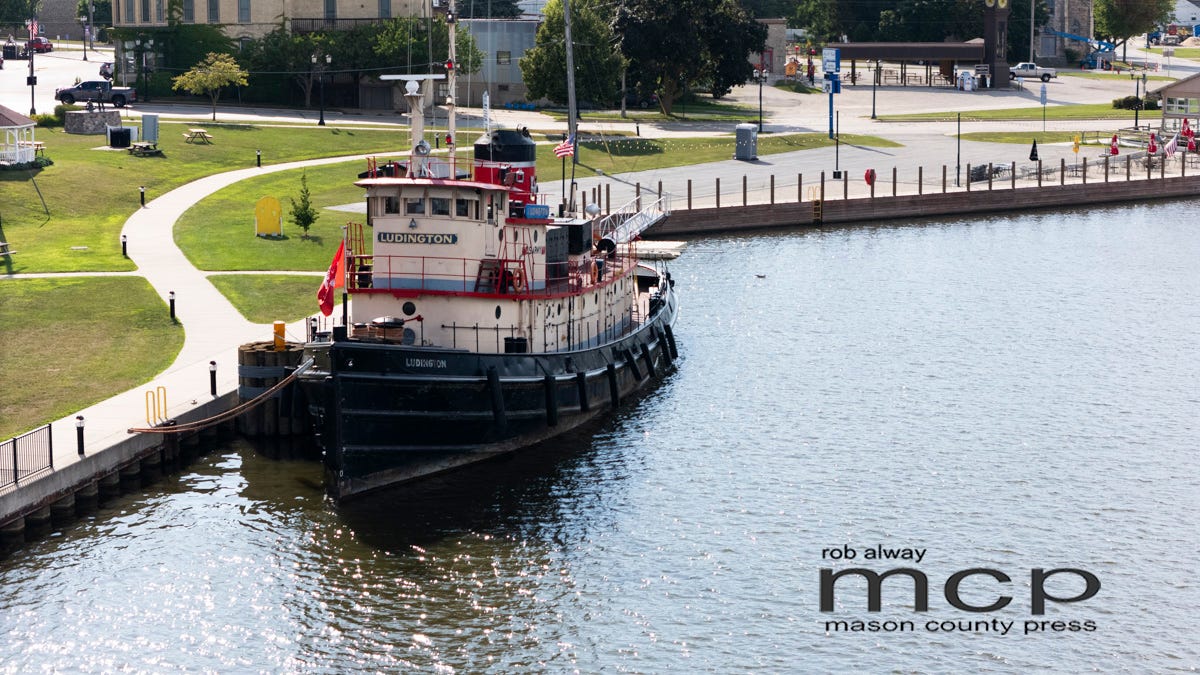
According to the city of Kewaunee, the vessel was 115 feet long with a beam of 26 feet. Her wartime armament included two .50-caliber machine guns positioned above the chartroom and pilothouse.
Unlike warships built primarily for combat, Army tugs were designed to move and position vessels and equipment. Their responsibilities could take them into dangerous waters, especially during major amphibious operations.
The Normandy invasion
In June 1944, Major Wilbur F. Browder participated in the D-Day invasion of Normandy, France. She towed ammunition barges across the English Channel, supporting the enormous movement of supplies needed for the Allied landings.
The tug subsequently served at Cherbourg, France, helping with harbor operations as Allied forces expanded their access to French ports. She later was sent to Plymouth, England, where she remained for the rest of the war.
Her role illustrated an often-overlooked part of wartime maritime logistics. Large troop transports, warships and cargo vessels depended on smaller working craft to move barges, equipment and supplies, particularly in the confined waters of harbors.
A new assignment on the Great Lakes
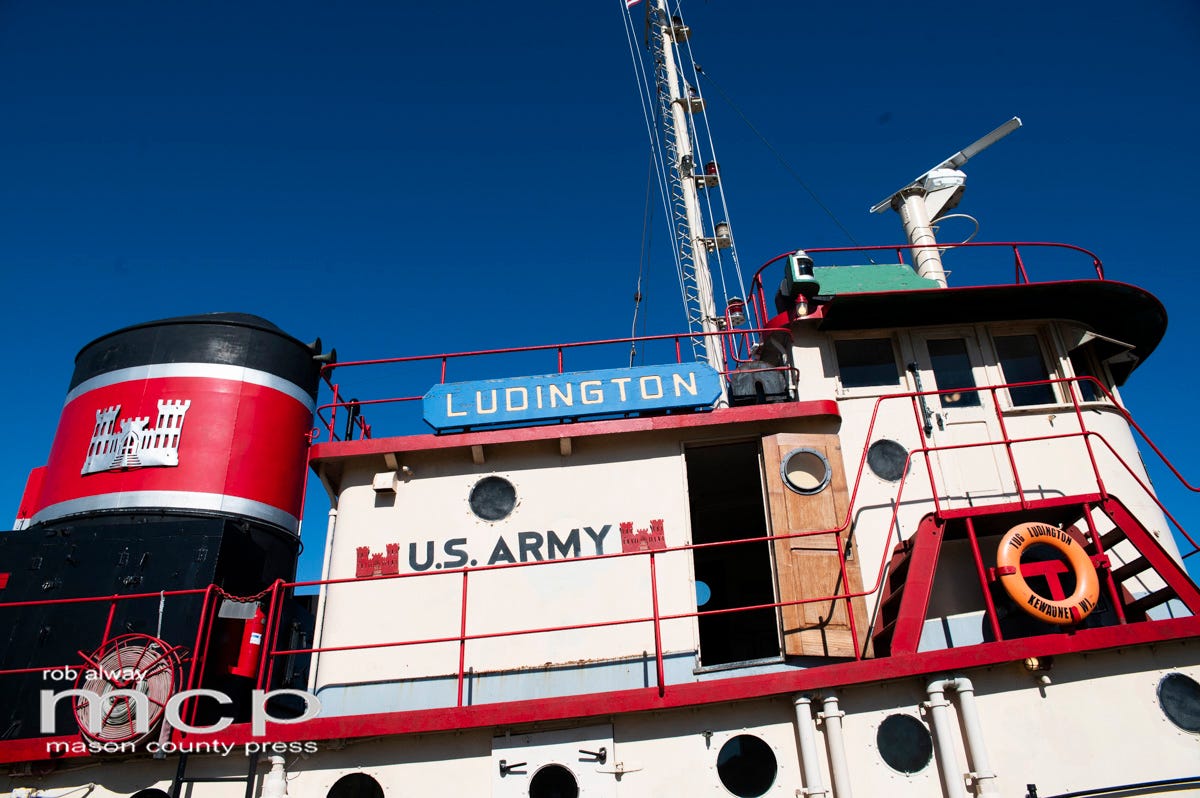
In 1947, the U.S. Army Corps of Engineers transferred the tug to Kewaunee and renamed her Ludington. For nearly five decades, she assisted with the construction and maintenance of harbors throughout the Great Lakes region.
Her new name also reflected a connection across Lake Michigan. Ludington, Michigan, was the eastern terminal of a railroad carferry operation that linked the state with Kewaunee for much of the 20th century.
The transition from wartime service to harbor maintenance brought the vessel into another essential form of maritime work. Keeping commercial ports and navigation infrastructure in service was vital to ships moving cargo through the Great Lakes.
Preserved on the Kewaunee waterfront
The city of Kewaunee acquired the tug through the Federal Surplus Program on Dec. 29, 1995. The formal transfer from the federal government took place May 14, 1996.
The city, local volunteers and donors then worked to provide mooring facilities and restore the vessel for public access. Those efforts preserved not only a piece of the community’s waterfront but also a rare reminder of the work performed by military tugs during World War II.
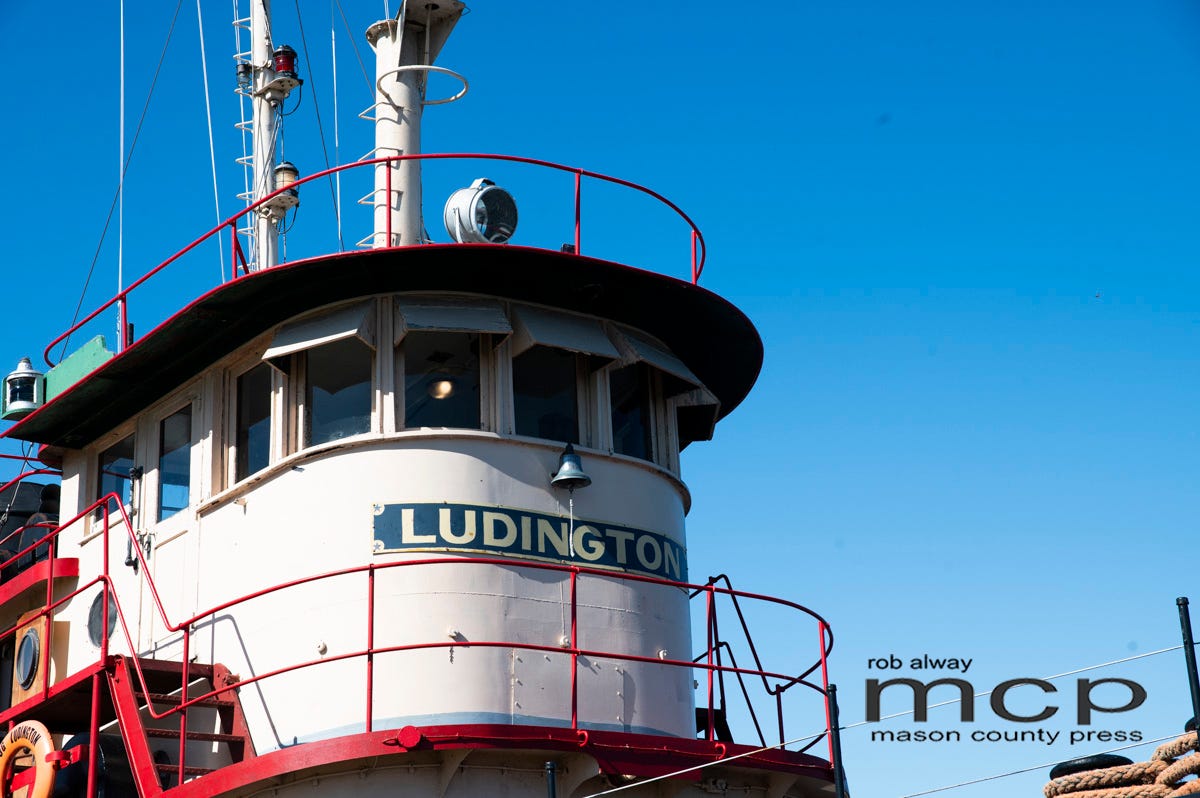
The tug was added to the National Register of Historic Places on March 28, 2002, under her original military name, Major Wilbur F. Browder.
Today, Ludington serves as a museum ship at Harbor Park in downtown Kewaunee, offering a tangible connection to both the invasion of Normandy and the industrial history of the Great Lakes.
Kewaunee is best known in maritime circles for the railroad carferries that once operated from its harbor. The tug Ludington preserves a different history: that of a working vessel whose duties carried her from the English Channel to the inland seas of North America.
Help support this Substack page and check out our merchandise store.
This story is copyrighted 2026 by Sable Points Media.