


By Rob Alway
Editor’s note: For the past several years, I have made it a personal mission to tell the stories of the Great Lakes maritime industry and, especially, the people who work aboard its vessels. As someone who has spent much of my life watching, photographing and studying these ships, I believe their stories deserve to be told.
Documenting the industry is important for preserving its history, but it is equally important for its future. Great Lakes shipping plays a vital role in our nation’s economy, and its continued success depends on attracting new generations of skilled mariners.
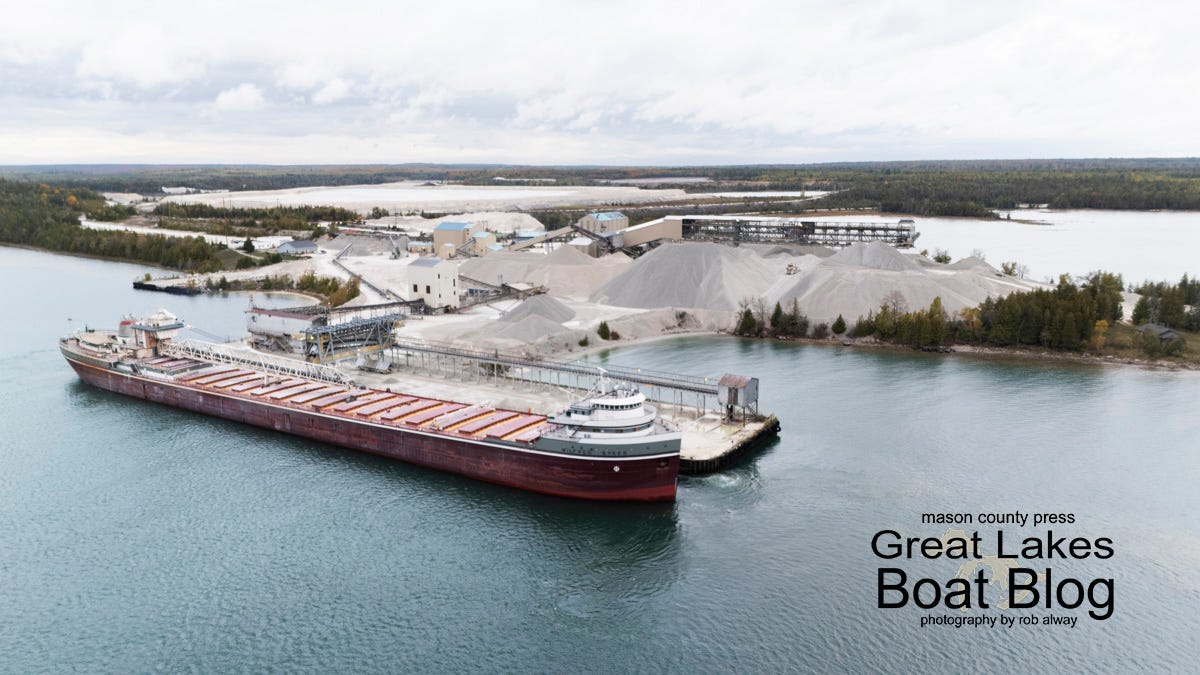
Recently, I spent five days aboard the SS Wilfred Sykes, a 1949 steam-powered freighter operated by Central Marine Logistics. This series explores the ship, the work it performs and, most importantly, the people who keep it sailing.
This is the last segment in the 11-part series.
ABOARD THE SS WILFRED SYKES -- My journey aboard the steamer Wilfred Sykes began on the morning of Sunday, Oct. 4, and ended early Thursday, Oct. 8. During those five days, I was blessed with fair seas, pleasant temperatures, really good food and, most importantly, the honor of getting to know one of the finest crews on the Great Lakes.
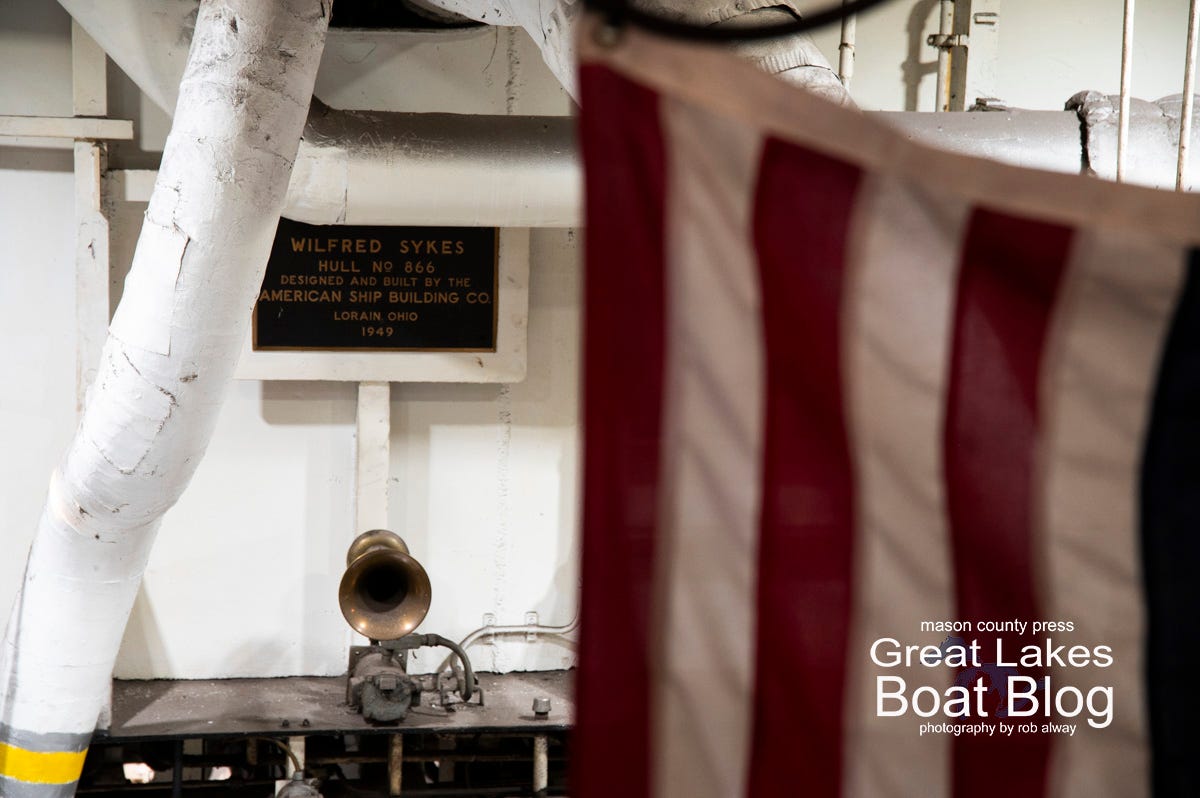
Built in 1949, the Sykes is a beautiful example of Great Lakes shipbuilding and a reminder of an era when steam-powered vessels were the backbone of the region’s industrial economy. But as much as I appreciate the history, engineering and beauty of these ships, their most important stories are those of the people who work aboard them.
I have tremendous respect for those who make their living on the Great Lakes. Their work is essential to the economy of our region and, ultimately, to the daily lives of millions of people who may never see a freighter or understand the role these ships play.
As a journalist, historian and photographer, I believe part of my purpose is to tell those stories. I also believe that in order to accurately tell the stories of people who work in a particular profession, it’s important to make an effort to understand that work through firsthand experience and/or observation.
That’s why this opportunity meant so much to me.
Five days aboard a working freighter certainly doesn’t make me a sailor. It doesn’t begin to compare to the weeks and months that professional mariners spend away from their homes and families. But it offered me a perspective that I simply could not have gained by photographing ships from shore or researching their histories.
I had the opportunity to see how a ship operates as a workplace, how its crew members depend upon one another and how much responsibility rests on the shoulders of those who make their living on the water.
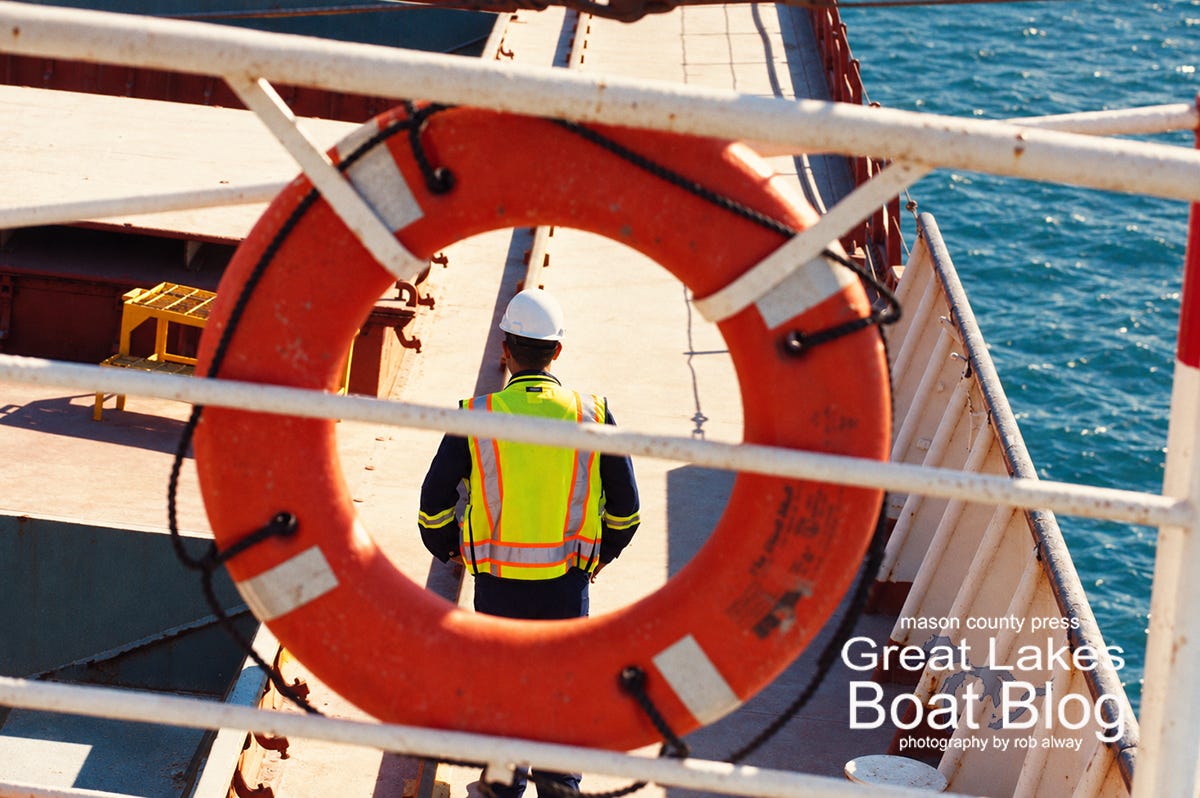
One of the things that impressed me most was the professionalism of the crew. There are many different jobs aboard a Great Lakes freighter, and each plays an important role in keeping the vessel operating safely and efficiently.
From the captain and officers on the bridge to the engineers who keep the machinery running, the deck crew responsible for maintaining the vessel and handling cargo operations, and those who prepare meals and care for the crew, everyone contributes to the ship’s operation.
There is a great deal of experience and knowledge aboard a vessel like the Wilfred Sykes. Some crew members have dedicated decades of their lives to the industry, while others are just beginning their careers. The knowledge passed from one sailor to another is an important part of keeping the Great Lakes maritime tradition alive.
Throughout this series, I’ve tried to share some of those individual stories. I hope readers have gained a greater appreciation for the people behind the ships they see passing along our shorelines.
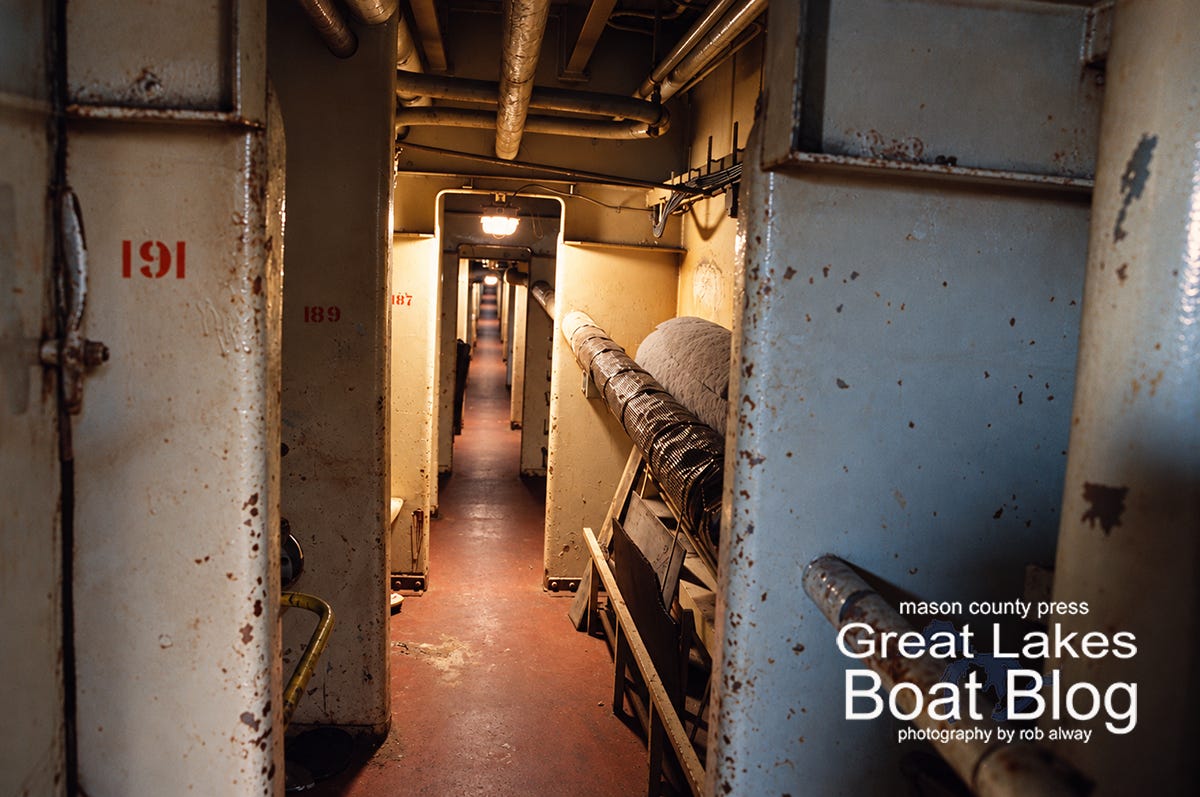
Another thing that struck me was the reality that a Great Lakes freighter is both a workplace and a temporary home. While most of us finish our workday and return to our families, those who sail the lakes live where they work.
Their schedules are dictated by cargo demands, weather, mechanical considerations and the needs of the ports they visit. The work continues around the clock, and there is little separation between one’s professional and personal life while aboard.
That requires a particular kind of commitment, not only from the sailors themselves but also from the families waiting for them at home.
Working together for long periods of time also creates camaraderie. The personnel on board become, in a sense, their own family.
It is easy to romanticize life aboard a Great Lakes freighter. The ships are magnificent, and the views can be spectacular. But behind those images are long hours, considerable responsibility and a lifestyle that demands sacrifice.
I have an even greater appreciation for that commitment now than I did before this voyage.
One of the realities of the Great Lakes shipping business is that schedules and destinations can change, often with very little notice. Cargo demands, port availability and other factors can alter a vessel’s plans. During my trip, there were some delays and uncertainties, which offered another glimpse into the flexibility required of people who work in this industry.
Fortunately for me, we ultimately ended our voyage exactly where it had begun, at Port Dolomite in Michigan’s Upper Peninsula.
That was particularly good news because my truck was parked there!
Five days earlier, I had climbed a ladder aboard the Wilfred Sykes carrying three bags of camera gear and personal belongings, along with a great deal of excitement and relatively little understanding of what daily life aboard a working Great Lakes freighter actually looked like.
I left with a greater appreciation for a ship I already admired and, more importantly, for the people who keep her operating.
I also left with a greater understanding of how much I still have to learn.
As someone who has spent my entire life along the eastern shore of Lake Michigan, the Great Lakes have always been an important part of who I am. I’ve watched ships come and go since childhood, photographed them for years and devoted considerable time to researching their histories. Yet being aboard a working freighter offered an entirely different perspective.
From shore, we tend to see the ship as a single magnificent machine. We admire her size, her lines, her history and the power required to move thousands of tons of cargo across the lakes.
What we don’t always see are the individuals who make all of that possible.
Every ship has a crew, and every crew member has a story. There are stories of family traditions, career changes, personal ambitions, decades of experience and young people just beginning to find their place in the industry. Those stories deserve to be told just as much as the histories of the vessels themselves.
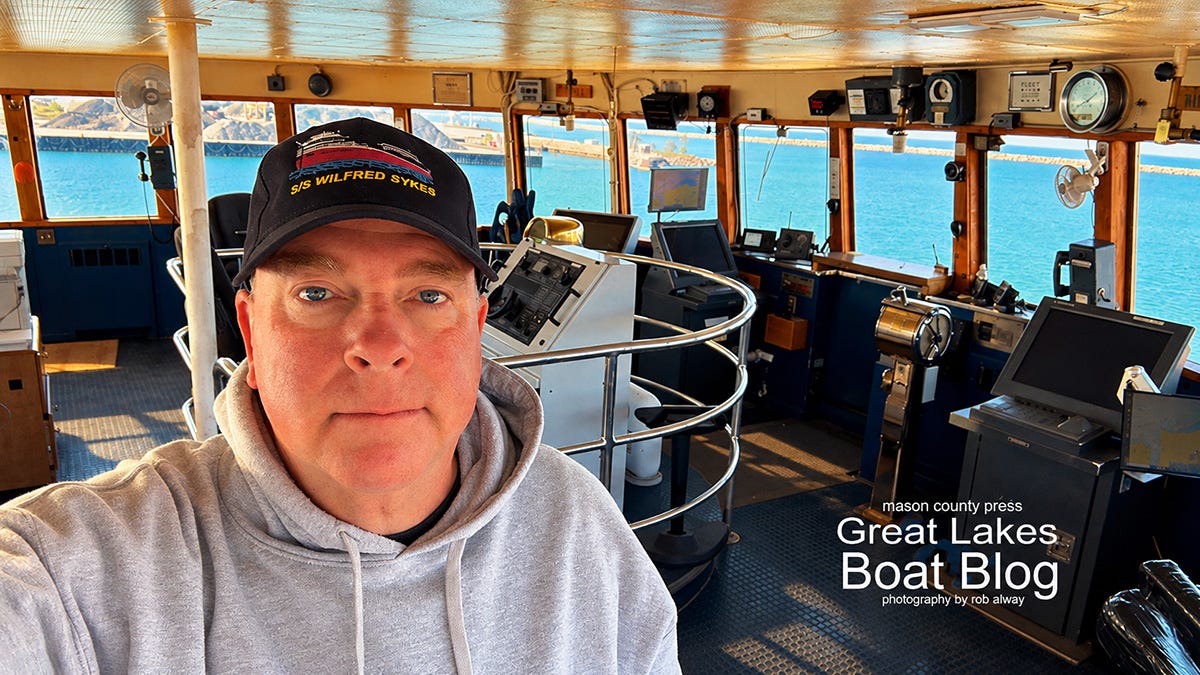
That is what I hope to continue doing through Great Lakes Boat Blog.
I am grateful to Central Marine Logistics for allowing me this opportunity and to the captain, officers and crew of the Wilfred Sykes for welcoming me aboard. I appreciate their patience with my questions, their willingness to share their experiences and the hospitality they extended throughout the voyage.
I hope this experience is the first of many opportunities to travel aboard working Great Lakes vessels, learn from the people who operate them and help others better understand the importance of the maritime industry.
There are still countless stories waiting to be told, both aboard the ships sailing today and in the history of those that came before them.
For me, this voyage was never simply about spending five days aboard a historic steam-powered freighter. It was about gaining a better understanding of the people whose work keeps an important Great Lakes tradition alive.
The Wilfred Sykes was everything I had hoped she would be. But it was her crew who made the experience truly memorable.
And while my journey aboard her has ended, I hope my journey of telling the stories of the men and women who work on the Great Lakes is only beginning.

Help support this Substack page and check out our merchandise store.
This story is copyrighted 2026 by Sable Points Media.